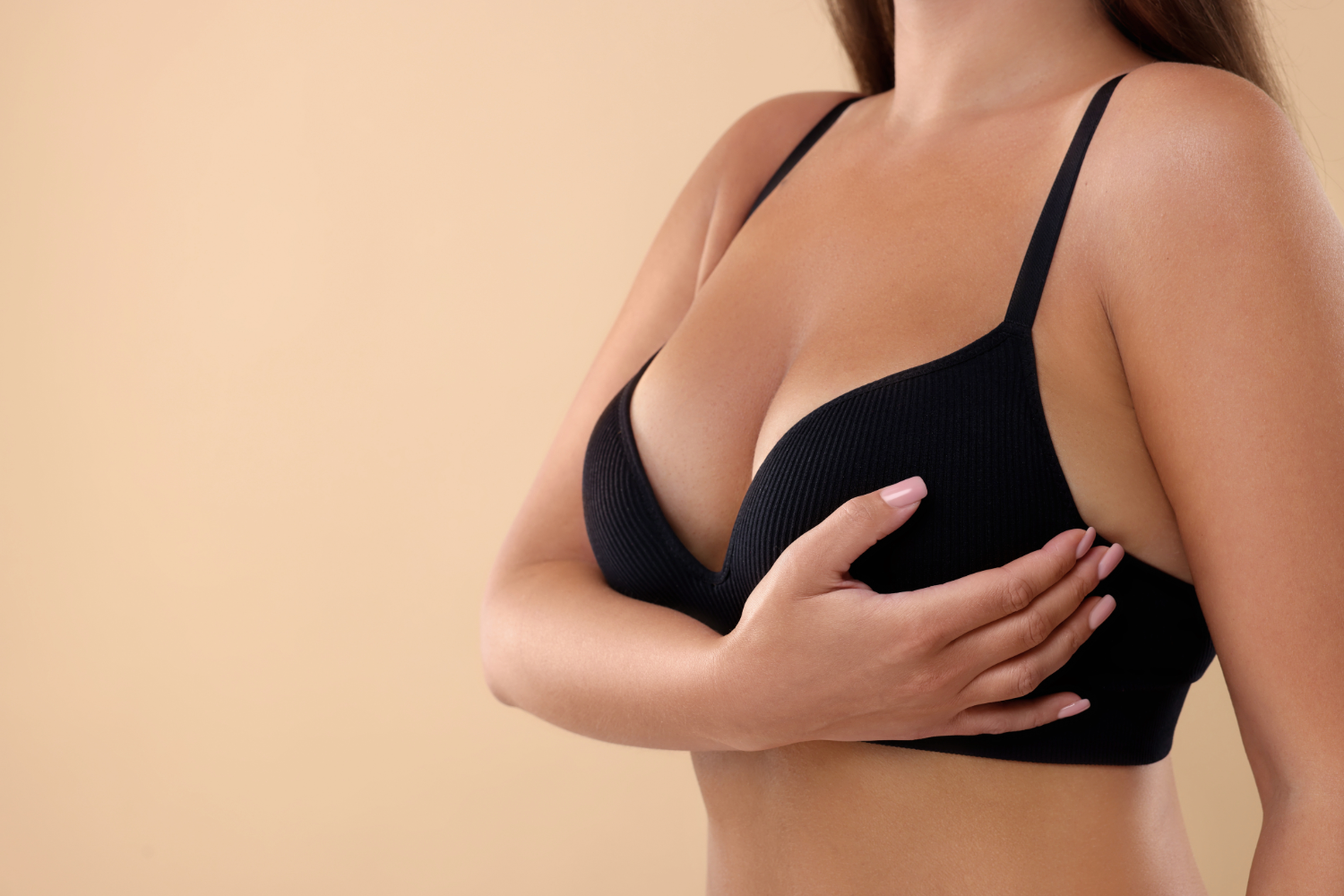
Do you want fuller breasts, a higher breast position, or both? That distinction is the starting point when comparing breast lift vs breast augmentation. A breast lift changes position and shape. Augmentation adds volume. Some patients need a combination to address what concerns them.
You do not need to choose a procedure before your consultation. Start by identifying what you would like to change: fullness, drooping, nipple placement, or a difference between your breasts. At Ferguson Plastic Surgery & Aesthetics, we help you connect those concerns with realistic treatment options.
Breast Lift vs. Breast Augmentation: The Main Differences
These surgical procedures can improve breast appearance, but they serve different purposes.
Use these distinctions to organize your questions, rather than to diagnose yourself. Two people who describe their breasts as “deflated” may have different concerns and need different treatment plans.
When a Breast Lift May Fit Your Goals
A breast lift, or mastopexy, is a surgical procedure designed to reshape sagging breasts and improve their position. It involves removing excess skin, reshaping breast tissue, and adjusting the nipple and areola. A lift alone does not add volume through an implant or transferred fat.
A lift may bring the breasts into a more youthful position while retaining a size you already like. Reshaping can create a youthful contour without automatically requiring implants.
Look at position, not just cup size
Consider discussing breast lift surgery if your nipples point downward, sit below the breast crease, or one breast hangs lower than the other. Plastic surgeons assess these features alongside skin elasticity and overall breast shape. Nipple position relative to the breast fold is an important consideration, but it is not the only one.
Tell us whether you want a higher position without additional fullness. If your main request is to correct sagging, choosing a larger implant should not be treated as an automatic substitute for evaluating a lift.
You can explore these signs further in our guide to breast lift candidacy.
Consider changes after weight loss
After significant weight loss, reduced breast fat can leave stretched skin that does not tighten to match the smaller volume. A lift may address that loose skin, while augmentation may be considered when additional fullness is also desired.
Describe the difference between the size you want and the position you want. For example, “I like my current size but want less drooping” gives us a different starting point from “I want more fullness as well as lifting.”
When Breast Augmentation May Be More Appropriate
Breast augmentation focuses on increasing breast volume. It may suit someone who wants breast enhancement, fuller proportions, or to restore lost volume after pregnancy or weight loss.
Fullness is your priority
If volume is your main concern, discuss the amount of change you want and where you want it. Augmentation can also address differences in breast size or projection. Implant selection can be adjusted to each breast when appropriate, although improved balance should not be confused with a promise of perfect symmetry.
Bring specific observations to your appointment. Do you notice less fullness above the nipple, a difference between sides, or a size that no longer feels proportionate? Those descriptions are more useful than asking for the same result as someone else.
Implant choice depends on your anatomy
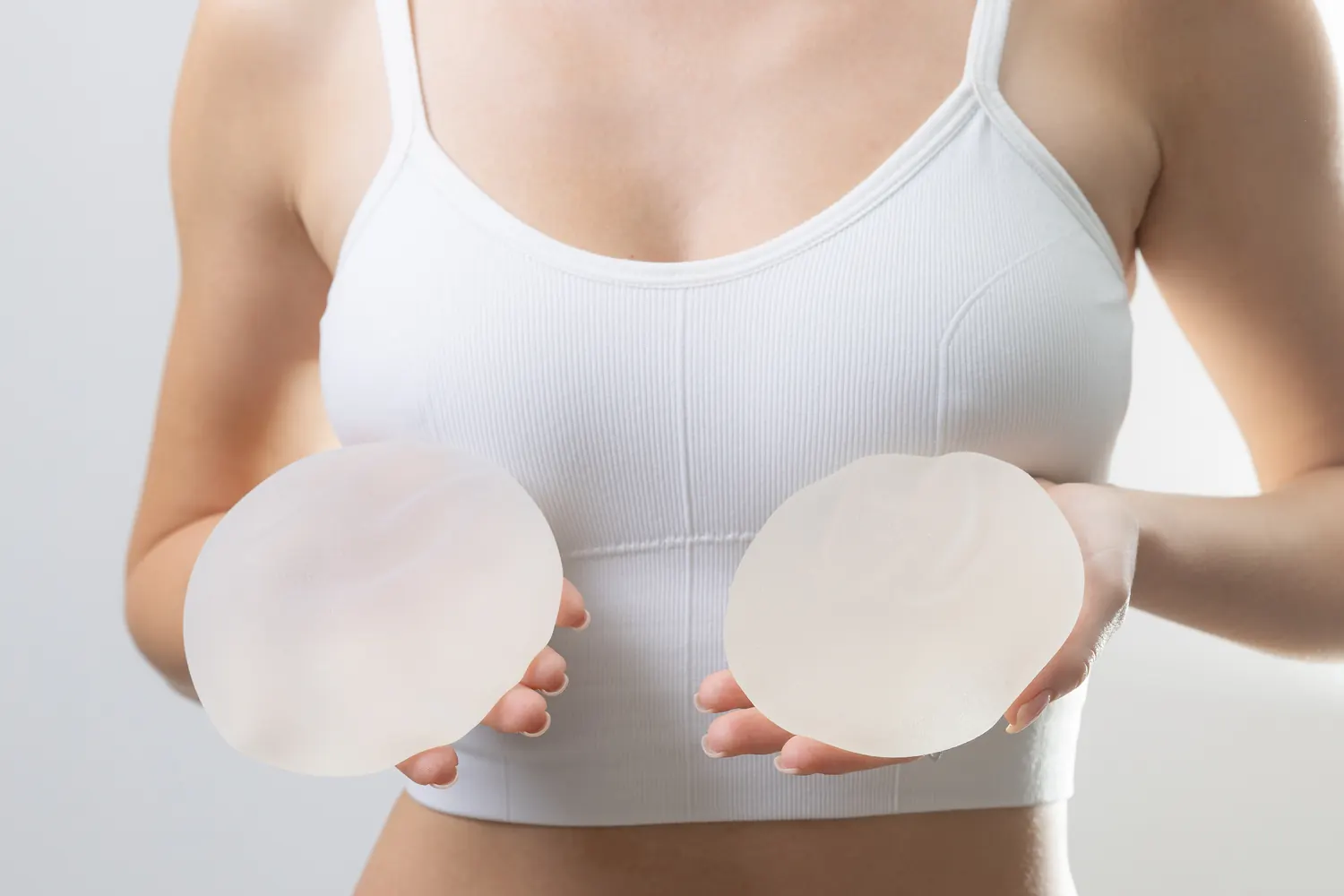
Breast implants contain either silicone gel or sterile saline solution. Silicone implants and saline implants offer different options, and planning involves more than selecting a desired size. Your natural breast tissue, chest dimensions, skin, and preferred proportions help guide the choice.
Implant placement may be above or beneath the chest muscle. Your existing breast tissue and skin quality influence how implants look and feel, so ask how those factors affect the recommendation. Good skin elasticity is part of the assessment, not a guarantee of a particular result.
Implants do not replace a lift for significant sagging
Adding fullness does not necessarily correct significant sagging or reposition a low nipple. If the breasts sit low or the nipples face downward, a lift may be needed alongside augmentation.
Ask an experienced surgeon to explain which part of your concern an implant would address and which part would remain. That discussion matters whether you describe the change as mild, moderate sagging, or more pronounced drooping.
When Should You Consider Both a Lift and Augmentation?
Some patients benefit from both a lift and added volume because breast position and fullness have changed together. The lift reshapes and elevates the breasts; augmentation adds volume. This combined procedure is sometimes called augmentation-mastopexy.
A lift with implants
A lift with implants may be considered when you want to raise the breasts and increase their size. After weight loss, for example, the concern may include both loose skin and reduced fullness. Neither concern should be overlooked when discussing the desired breast shape.
Ask what lifting alone could achieve before deciding whether to add an implant. Then discuss what the implant contributes, including the added fullness you want and the longer-term considerations of breast implant surgery.
A lift with fat transfer
A lift can also be paired with fat grafting for additional fullness. Fat transfer uses your own tissue: fat is collected from a donor area, processed, and placed into the breasts. It is generally suited to a modest increase and requires enough available donor fat.
Some transferred fat is reabsorbed, and additional treatment may be considered to refine volume. Recovery also involves the area treated with liposuction. Using your own fat therefore does not mean there is no recovery or that every patient is a suitable candidate.
One operation or separate stages?
Combining procedures may allow a shared recovery period, but that does not guarantee faster healing. Health history, surgical time, and available recovery support influence whether procedures should be combined or staged.
Ask why a particular sequence is recommended for you. Convenience is worth discussing, but it should not be the only reason for choosing a combined operation.
How Do Scars Compare?
Scars deserve a direct conversation before either procedure. For a breast lift procedure, incision patterns may involve the area around the areola, a vertical line down the breast, or the breast fold. The pattern depends on the planned correction.
With augmentation alone, an incision may be placed in the breast crease or around the areola; other approaches may be discussed depending on the plan.
Rather than assuming one option will leave less visible scarring, ask Dr. Ferguson to show where your proposed incisions would sit. Discuss the correction each incision allows and your concerns about appearance in clothing or without a bra.
Scar management may include silicone products, sun protection, or massage after clearance. These measures aim to minimize scarring, not eliminate it. Scars can continue changing for a year or longer, and your care instructions should guide when any treatment begins.
What Should You Expect During Recovery?
Returning to work, restarting exercise, and evaluating results are different recovery milestones. Plan around your specific operation and responsibilities rather than one promised completion date.
Early recovery
After a lift, swelling, bruising, and discomfort can occur. Many patients return to work within one to two weeks, depending on their recovery and job demands.
After implant augmentation, some patients return to desk work within approximately a week, while physically demanding work may require longer. Swelling and soreness improve gradually; reduced nipple sensation can also occur during early recovery.
Before setting a return date, explain what your job actually involves. Include carrying equipment, reaching, lifting children, and other tasks that may be easy to overlook when describing your routine.
Exercise and lifting
Strenuous exercise and heavy lifting commonly remain restricted for several weeks. Breast lift guidance commonly allows four to six weeks before more demanding activity, while implant recovery may involve restrictions around six weeks. Your clearance depends on healing and the procedure performed.
Arrange help with tasks you will be asked to avoid. Follow instructions for support garments and protecting the surgical site, and attend your follow-up appointments.
Settling and longer-term changes
Early fullness and position do not show the finished result. Implants settle over time, and the final shape may take several months to evaluate.
If fat transfer is included, ask how changes in swelling and fat retention will be assessed. Keep recovery photographs for discussion with your surgeon rather than using daily changes to judge whether the procedure has succeeded.
Risks and Long-Term Considerations
Cosmetic breast surgery involves more than deciding which appearance you prefer. Ask for a procedure-specific explanation of complications, any factors that increase your risk, and what treatment might be needed if healing does not go as planned.
With implants, capsular contracture occurs when scar tissue tightens around an implant. It can cause discomfort and distort breast appearance. Implant rupture or changes after pregnancy, weight fluctuation, and natural aging may also lead someone to consider revision surgery.
Breast implants are medical devices that require ongoing consideration. They are not lifetime devices, and future surgery may be needed. There is no reason to assume your plan ends once the initial recovery is complete.
Ask about follow-up, changes in nipple sensation, scar care, and symptoms that should prompt a call. After augmentation, redness, warmth, unusual drainage, or unexpected one-sided swelling should be reported promptly.
Discuss future pregnancy and weight changes as well. Surgery cannot prevent subsequent changes in breast tissue or position.

What Happens at Your Consultation With Dr. Ferguson?
Before your visit, write down three priorities and any tradeoffs you are uncertain about. You might prioritize keeping your current size, improving nipple position, and understanding scars. Another patient might prioritize added fullness, avoiding implants, and fitting recovery around family responsibilities. Neither list is a prescription; each gives the discussion a useful focus.
Also identify what you do not want to change. If you are comfortable with your size, say so. If an implant is something you would prefer to avoid, explain that preference without assuming it rules out every option. Ask which goals can reasonably be addressed together and which may require compromise. Leave room to reconsider your initial preference after you understand the proposed procedure, its limits, and the recovery involved.
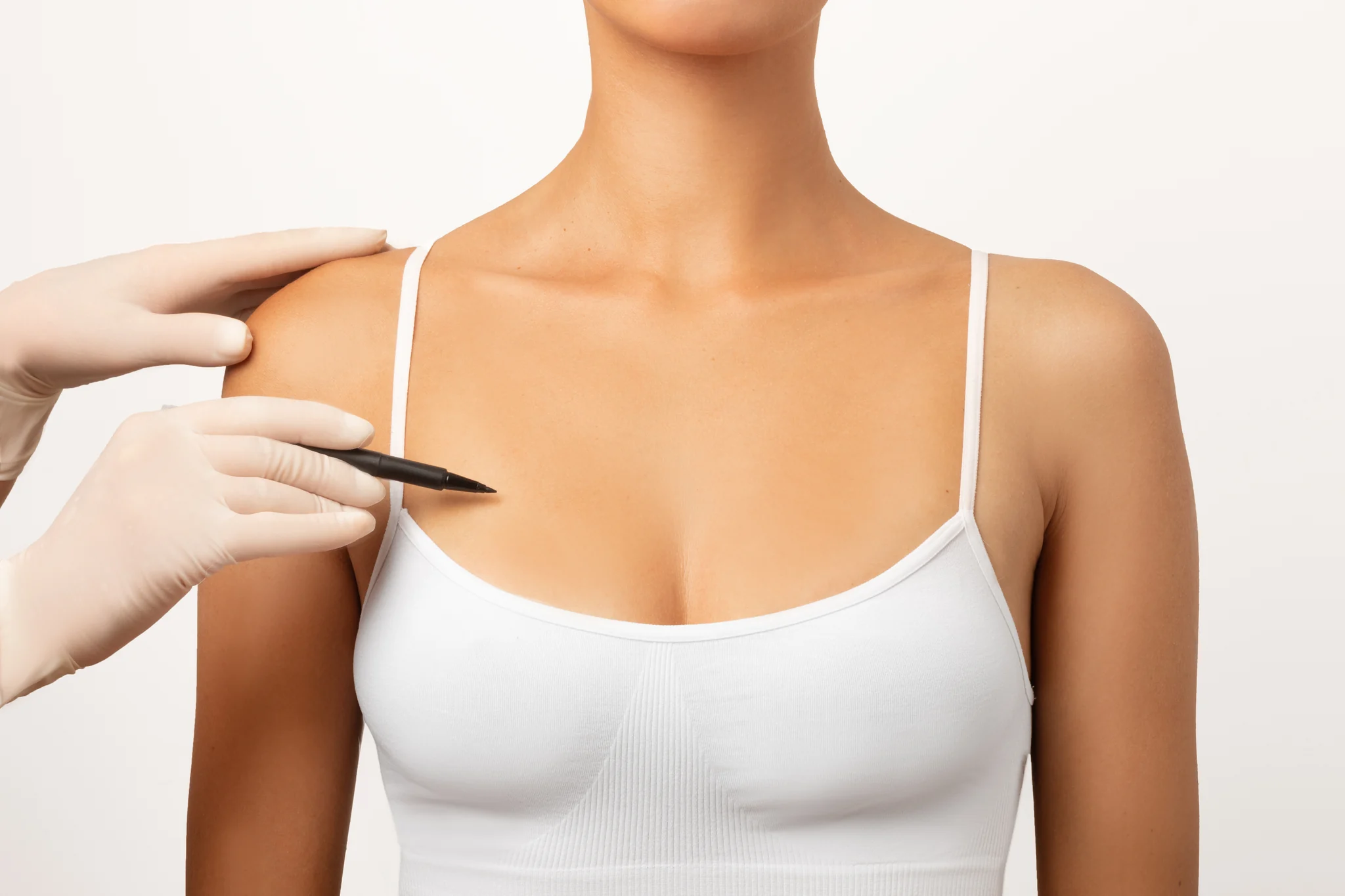
Your consultation connects your preferences with an examination. Dr. Ferguson, a Board Certified plastic surgeon, evaluates breast shape, skin elasticity, nipple placement, and your goals. You will discuss surgical techniques, incision options, anesthesia, and recovery expectations.
Our breast lift surgery options can be considered alongside augmentation when you want to compare approaches. You do not need to arrive knowing which breast procedure to request.
Bring your health history, previous surgery details, and a clear description of your concerns. Implant planning also considers body proportions, chest width, and existing tissue. Sizers or visualization tools may help you discuss the intended change, but they should support a conversation about expectations.
Useful questions include:
- Is my concern mainly volume loss, breast position, or both?
- What would lifting alone change, and what would remain?
- Would implants or fat transfer better match the fullness I want?
- Where would the incisions be, and what scar care would you recommend?
- Should treatment be combined or staged, and why?
- What help will I need at home, and when can I resume my usual responsibilities?
- What follow-up or future surgery might I need?
There is no single answer that fits most women. Your treatment plan should reflect your anatomy, health, expectations, and willingness to accept the recovery and longer-term commitments involved.
Choose the Procedure That Matches Your Goals
When weighing breast augmentation vs. a lift, begin with the change you want rather than the procedure name. Be specific about fullness, position, scars, and the practical demands of recovery.
We welcome those questions. A consultation is an opportunity to understand your options, clarify what is realistic, and decide whether surgery fits your aesthetic goals.
Book a consultation with Dr. Ferguson to discuss a personalized approach to breast surgery.