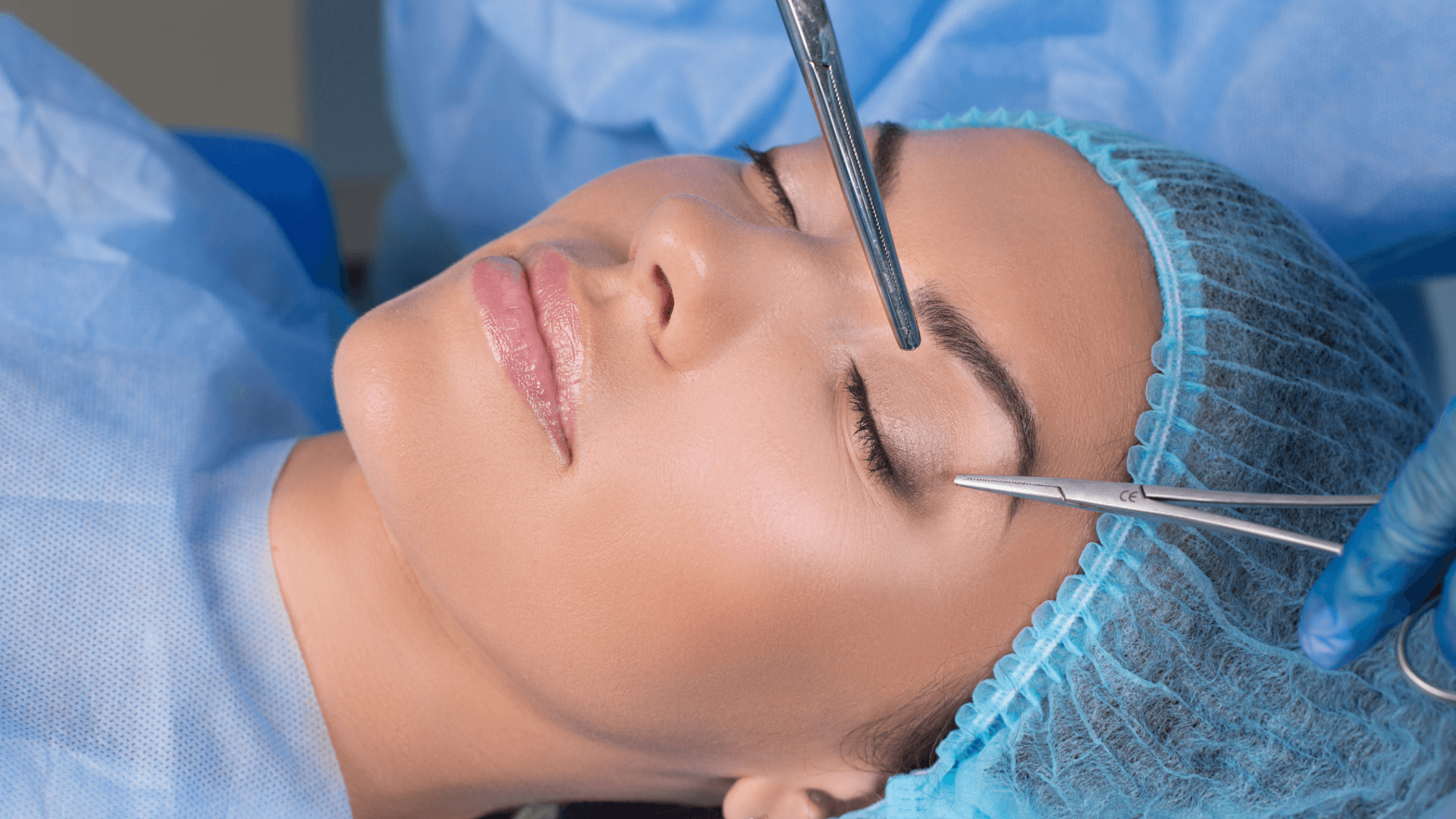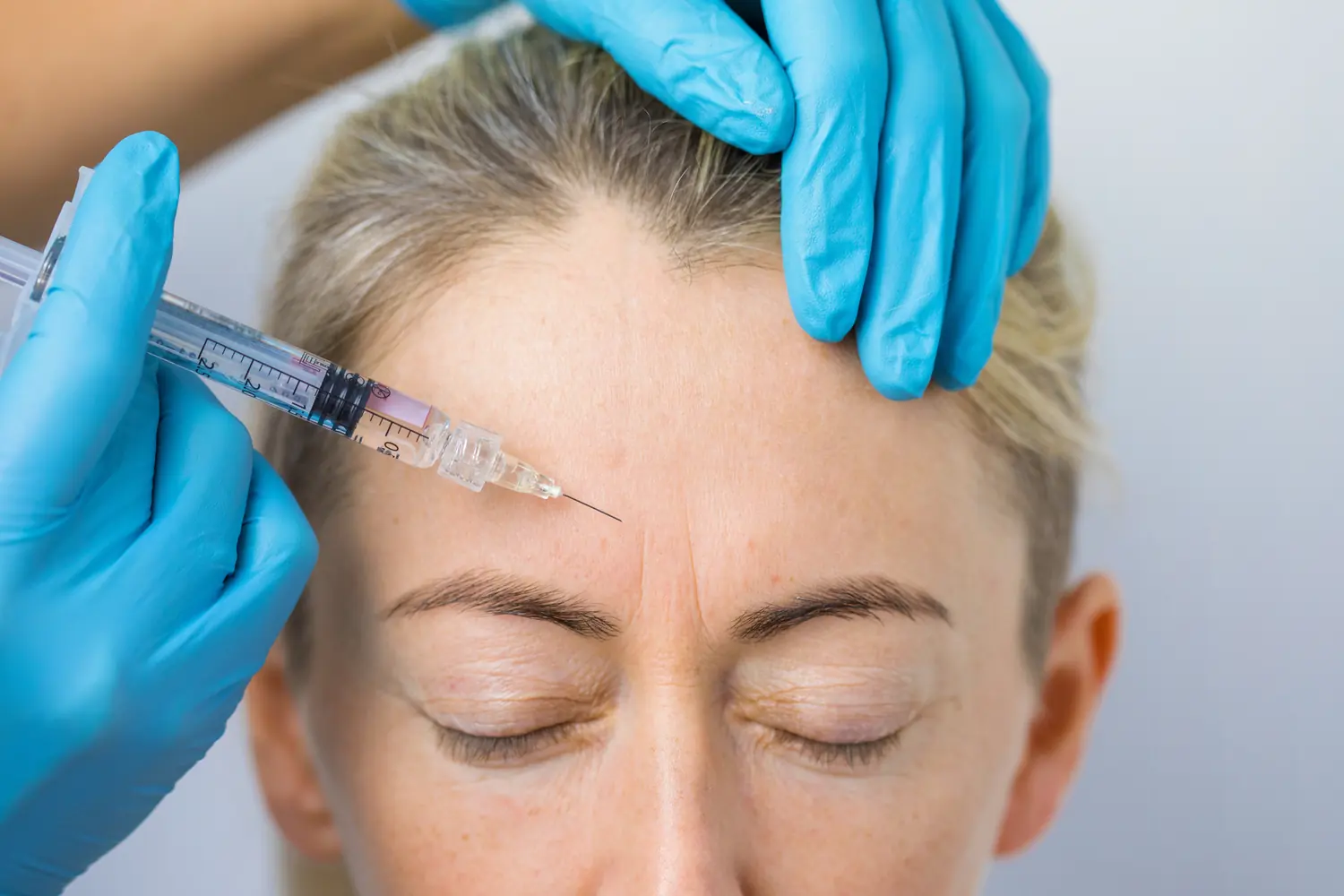
If you want to soften frown lines without surgery, you may be wondering whether Botox or Dysport is the better choice. Both are prescription injections used for temporary improvement in certain facial wrinkles. Their similarities do not make them interchangeable, however. Approved treatment areas, dosing, and your medical history all matter when comparing Botox vs Dysport.
At Ferguson Plastic Surgery & Aesthetics, we offer both options. We start with your concerns and treatment goals so you can understand what a proposed treatment is intended to change. You do not need to arrive with a product already selected.
What Do Botox and Dysport Have in Common?
Both Botox Cosmetic and Dysport contain a form of botulinum toxin type A. These treatments reduce muscle activity by interfering with nerve-to-muscle signaling. In everyday language, they help relax muscles by temporarily blocking nerve signals that trigger muscle contractions. Treating the muscles responsible for movement-related lines can soften their appearance.
The U.S. Food and Drug Administration’s explanation of botulinum toxin products describes this temporary reduction in muscle movement. These are prescription drugs, even when used for a cosmetic procedure.
If you are asking, “How does Botox work compared with Dysport?”, the broad mechanism is similar. The key differences concern the individual products and how they are prescribed. Neither brand name alone tells you which targeted muscles should be treated or what your outcome will be.
Botox vs. Dysport at a Glance
The FDA-approved prescribing information provides the starting point for comparing these treatments:
Sources: FDA prescribing information for Botox Cosmetic and Dysport U.S. prescribing information.
These doses describe labeled treatment of glabellar lines, not a personal dosing recommendation. Your consultation should explain the specific muscles being considered, the intended effect, and whether the proposed use falls within the product’s cosmetic labeling.
Which Wrinkles Can Each Treat?
Can both treat moderate to severe frown lines?
Both products have an approved cosmetic use for moderate to severe glabellar lines, commonly called frown lines. If the lines between your eyebrows are your main concern, either may be an option for an appropriately assessed patient within the relevant age indication.
Explain whether those lines bother you when you frown, when your face is resting, or both. Ask your provider what changes are realistic for the lines you see, rather than assuming every crease responds in the same way.
Forehead lines and crow’s feet
Botox offers a broader set of approved cosmetic treatment areas. Its labeling includes forehead lines and crow’s feet, as well as frown lines and certain neck bands. Dysport’s cosmetic indication is limited to glabellar lines. This distinction comes from the products’ prescribing information, not from a claim that one is universally better.
If Dysport is proposed for an area outside its cosmetic indication, ask the provider to explain that use, the evidence supporting it, and the alternatives. Do not assume that a product being FDA approved means every possible injection location is approved.
For goals involving multiple areas, discuss Botox Cosmetic with our team. If frown lines are your priority, Dysport treatments are another option to explore.
Why Dysport and Botox Units Are Different
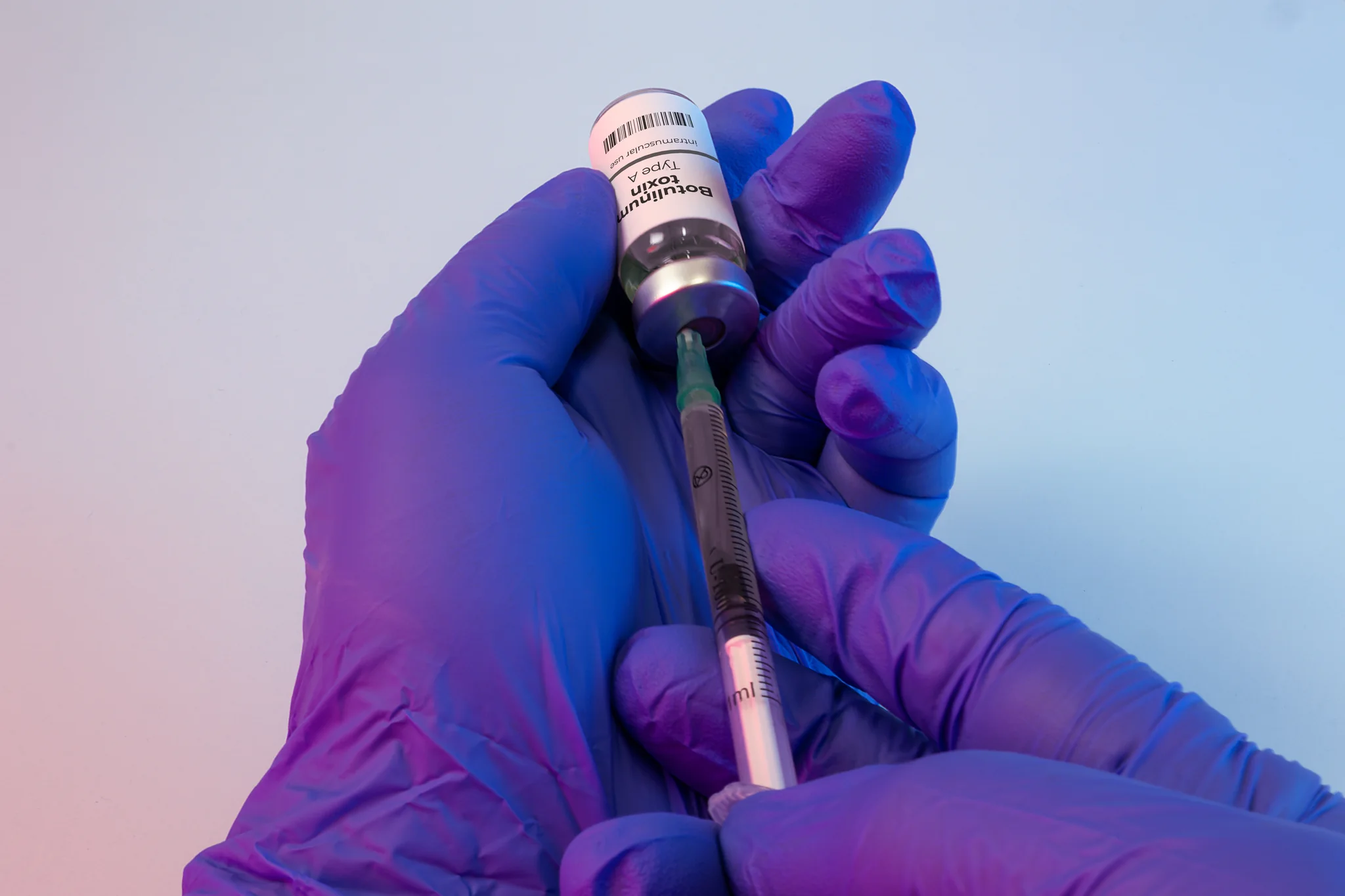
The number of units can make two treatment plans look very different. Dysport and Botox units measure the activity of their respective formulations, and both labels state that their units cannot be compared or converted into those of another botulinum toxin product.
For labeled frown-line treatment, Dysport uses a higher numerical unit count than Botox Cosmetic. That does not mean it is stronger, weaker, or that you are receiving an equivalent amount according to a simple formula.
The frequently repeated statement that one Botox unit equals three Dysport units should not be used as a universal conversion rule. The Dysport prescribing information specifically warns against converting its units into those of other preparations.
If you have had injections before, bring the product name, treatment date, and available records. Ask your provider to explain the proposed dose in the context of that product. More units do not automatically mean a better outcome or the same result as a different product.
Does Dysport Spread More Than Botox?
Claims that Dysport provides broader coverage while Botox stays precisely at each injection point can sound like an easy way to choose. The labeling does not establish that simple comparison.
Neither prescribing label provides a head-to-head basis for declaring Dysport better for treating broader areas or Botox better for every small area. Claims about smaller molecules or accessory proteins should not be treated as proof of predictable differences in cosmetic spread.
Instead, ask the provider to explain the planned treatment areas and how they will avoid unwanted effects on nearby muscles. “Treating larger areas” is not a sufficient explanation for choosing one product, especially when the proposed area is outside its cosmetic indication.
It is also important to distinguish local treatment planning from the boxed warning about distant spread of toxin effects. That warning concerns potentially serious effects away from the injection site, not a desirable cosmetic advantage.
Which Starts Working Faster?
Early changes and the final appearance are different milestones. A claim that a product starts working within a few days does not mean the full effect will be visible then.
The Botox Cosmetic prescribing information describes an initial effect in injected glabellar muscles within one to two days, increasing during the first week. That is not a promise of complete cosmetic results within that period.
Our Dysport treatment information describes early improvement around two to three days, but onset varies. We will discuss what to expect for your proposed treatment and when your response should be assessed.
There is no reliable reason to schedule a first treatment immediately before an important event based on a “faster” product claim. Tell us the event date and ask how much time to allow for assessment, treatment response, and possible side effects. Do not equate an early change with readiness for photographs or a major occasion.
How Long Do Results Last?
Results are temporary. For glabellar lines, Botox Cosmetic labeling describes an effect lasting approximately three to four months, while Dysport labeling states that its clinical effect may last up to four months. These descriptions do not establish that one lasts longer for every patient.
How your body responds matters when discussing future appointments. Ask when to return for assessment, what changes to watch for, and how the timing of any repeat treatment will be decided. Avoid treating a duration estimate as a guaranteed appointment schedule.
If you have used either product before, describe when you first noticed improvement and when the effect began to fade. Your own documented experience is useful information to discuss, although it does not guarantee that another session or product will behave identically.
Dysport vs. Botox: Which Fits Your Goals?
When Botox Cosmetic may be worth discussing
Botox may be a starting point if you want to discuss labeled treatment of crow’s feet or forehead lines in addition to frown lines. You might also prefer to discuss continuing a product you have used before rather than changing without a clear reason.
Share what you liked and disliked about previous Botox injections. Be specific about the areas treated, your facial expressions, and any unwanted effects. A familiar brand should still be accompanied by an updated assessment.
When Dysport may be worth discussing
Dysport may be an option for an eligible adult whose primary concern is moderate to severe lines between the eyebrows. If you have had a satisfactory experience with Dysport injections, bring that history to the consultation.
Do not choose it solely because someone says it requires fewer injections, spreads farther, or works faster. For labeled glabellar treatment, both products use five injection sites, despite their different unit totals.
When further assessment comes first
Before choosing between FDA-approved neurotoxins, disclose your medical conditions, medicines, allergies, and previous botulinum toxin injections. Dysport is contraindicated in people with cow’s milk protein allergy. Both products have contraindications involving relevant hypersensitivity and infection at the proposed injection site.
Discuss pregnancy or breastfeeding, swallowing or breathing difficulties, and muscle or nerve conditions with your clinician. These considerations take priority over a preference for one brand. Product-specific screening is described in the Dysport prescribing information and Botox Cosmetic labeling.
What Are the Possible Side Effects?
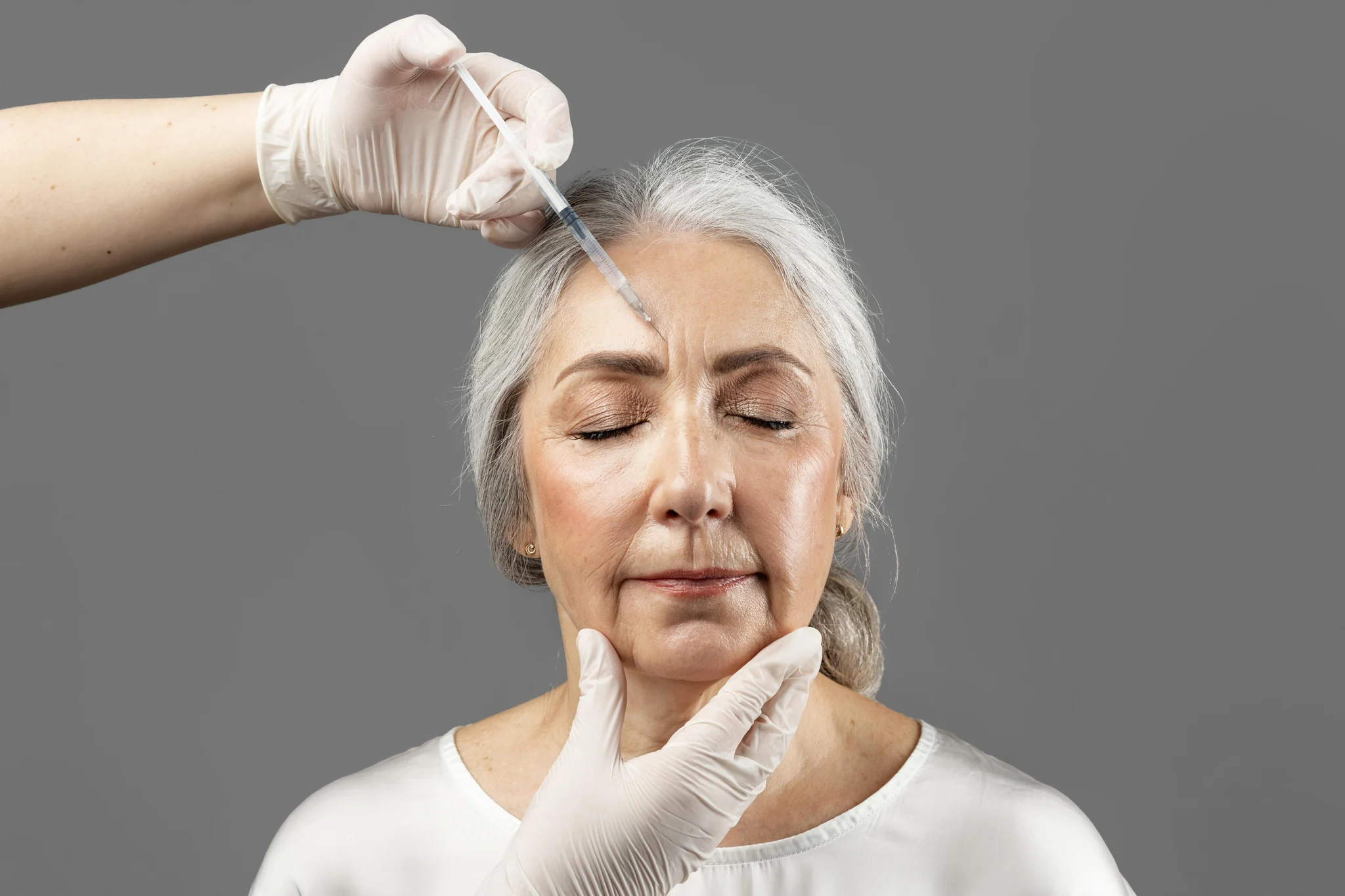
The FDA’s consumer guidance on injectable wrinkle treatments identifies possible local reactions such as pain, redness, swelling, and bruising. Facial weakness, eyelid drooping, and brow drooping have also been reported. The individual product labels include additional adverse reactions, including headache in relevant cosmetic trials.
Ask which effects require a routine call and which require urgent care. Do not assume every reaction will resolve within a few days or that drooping eyelids should simply be ignored.
Both products carry a boxed warning about distant spread of toxin effect. Seek immediate medical care for difficulty swallowing, speaking, or breathing after treatment. New generalized muscle weakness or vision changes also require prompt medical attention. These symptoms can occur hours to weeks after injection, according to the product warnings.
Choose qualified professionals who are licensed and trained to administer these drugs. The FDA advises patients to receive botulinum toxin products from appropriately trained providers using authorized sources. A skilled provider should explain risks as clearly as potential benefits.
What If Your Concern Is Volume Loss?
Neurotoxin injections and dermal fillers address different concerns. Botox and Dysport act on muscle activity; fillers add volume to selected areas. If your concern includes hollow-looking cheeks or reduced lip volume, comparing neuromodulator brands alone may not answer your question.
We offer dermal fillers for appropriate volume and contour concerns. During your consultation, explain whether you want to soften movement-related wrinkles and fine lines, restore fullness, or understand both options. Ask which treatment addresses each concern and what its limitations are.
What to Ask at Your Consultation
Our consultation includes discussion of your facial anatomy and goals before developing a treatment plan tailored to you. This is the time to clarify both the proposed approach and your expectations.
Treatments typically involve cleansing the injection site and using a fine needle to deliver the product to targeted areas. The injection procedure often takes under 20 minutes, but the full appointment time can vary depending on assessment and treatment planning. Leave time for questions rather than judging the visit by injection speed alone.
Your goal may be to reduce wrinkles or achieve a more youthful appearance while retaining expressions you recognize. Explain any subtle differences in your expressions that you particularly want to preserve. Even slight differences in what you mean by “refreshed” are worth discussing before treatment. Ask how the proposed plan reflects those priorities and how you will review the response together.
Bring questions such as:
- Who will perform my injections, and what are their qualifications?
- Which lines and muscles are you recommending we treat?
- Is that use included in the product’s FDA-approved cosmetic labeling?
- Why do you recommend this product for me?
- What improvement is realistic, and what may remain unchanged?
- When should I expect early changes and a follow-up assessment?
- What side effects should I report, and whom should I contact?
Define what natural-looking results mean to you. You might want less noticeable frown lines while remaining comfortable with your expressions. Someone else may have different priorities. Describing the change you want is more useful than requesting a particular number of units.
Make an Informed Decision With Our Team
The main difference is not that one brand wins every comparison. Your intended treatment areas, product-specific dosing, health history, and expectations should guide the discussion. Claims about speed or spread should not replace that assessment.
We can help you understand the options and develop a treatment plan around your concerns. Book a consultation with Ferguson Plastic Surgery & Aesthetics to discuss Botox and Dysport.